PHOTOGRAPHY PRINCIPLES / PRINCIPLE 34
Three photographs.
One small story.
Three attractive photographs of the same bench may repeat the same information. A short photo story needs a connection between its images and a reason to look at the next one. In this exercise, you will describe a morning pause in a park through a place, an action and a detail. Instead of finding one winning picture, choose photographs that complement each other. The reused AI illustration shows an example setting, not a finished sequence or an app result.
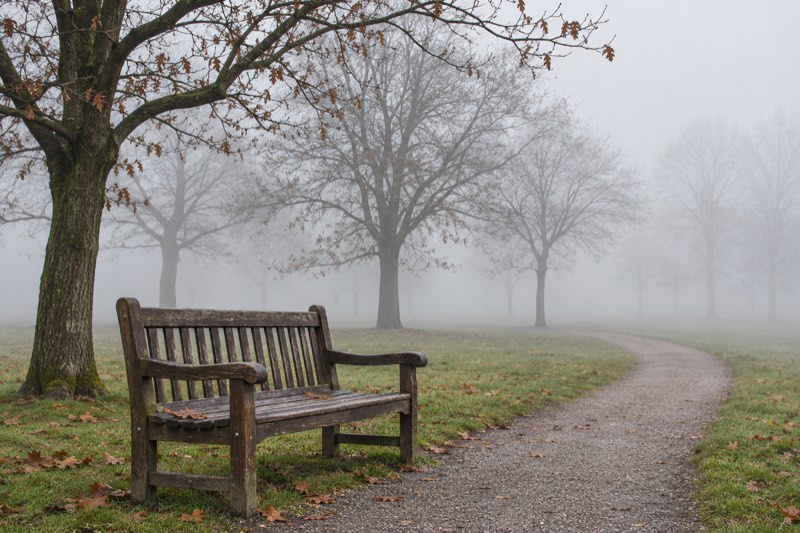
Build a short phone photo story with a place, an action and a meaningful detail. Choose a sequence and check what each picture contributes.
Start with one small event
Choose something you can describe in a sentence: I stop at a bench and pour a drink from a flask. A narrow subject helps you decide what belongs in the sequence. A broad theme such as autumn offers many possibilities but makes three connected photographs harder to select. Write your sentence before taking pictures and use it as a working direction.
You do not need an extraordinary event. An everyday activity has a beginning, a process and small traces worth noticing. If you work with a friend, decide whether you are observing their walk or arranging an exercise together. Do not caption a repeated, directed action as though it were a spontaneous event you happened to witness.
First picture: where are we?
Show the bench with part of a path, some trees or another clue to the setting. An establishing view does not need to include the whole park. Include enough surroundings for the situation to make sense. Check whether a bright sign or an accidental rubbish bin near the edge distracts from the place where your action will happen.
Choose a recognizable connection for later pictures: the cup's color, the shape of the bench or a distinctive bag. It does not need to appear in the same position in every frame. It simply helps viewers connect the pictures. Move a little sideways if important outlines merge, instead of assuming that cropping will solve the problem later.
Second picture: what is happening?
Move close enough to make the activity readable: a hand unscrews the flask or pours the drink. Leave part of the bench or bag visible to connect this view with the first photograph. A very tight picture of a hand can be attractive, but without context viewers may not know whether it belongs to the same situation.
Watch the gesture before releasing the shutter. A hand covering the cup may conceal the action; a moment later, the arrangement becomes clearer. Do not operate the phone while handling hot liquid yourself. Ask a friend to help, or choose an easier action such as placing a closed book on the bench. The exercise should remain simple to perform.
Third picture: which detail matters?
A detail should extend the same story. A drop on the cup's rim, a flask lid or a bookmark can relate to the pause. A beautiful leaf from another part of the park may need an explanation to fit this sequence. Ask what this particular detail tells someone who has already seen the setting and the action.
Move only as close as your camera allows while keeping the important area readable. If that area stays blurred, move the phone back and check focus again. You do not need a particular phone model or a promised macro feature. Include a little context if the isolated detail becomes too abstract to connect with the preceding gesture.
Check the order and remove repetition
Arrange the pictures as place, action and detail, viewing them at similar sizes. Temporarily remove the middle photograph: does the story lose useful information? If nothing changes, consider a different picture. Consistent color can help, but the same filter on all three images cannot create a missing connection or explain an unreadable gesture.
Three pictures are a constraint for this exercise, not a rule for every story. Nikon's feature with David Handschuh describes a five-picture approach; our exercise has a different scope. You can begin with a detail if later pictures explain it. Presentation order need not follow time, but captions should not imply events that never took place.
Exercise: one pause, three pieces of information
Spend ten minutes in one setting. Make two alternatives for each type of view, then choose just three photographs. Under each, answer a short question: where, what happens, which detail? If two answers are the same, look for an image that contributes something different. Keep the originals so you can revisit your choices without recreating the entire exercise.
Show the sequence to someone without explaining it first and ask what they understand. The aim is a readable relationship between pictures, not perfect access to your thoughts. Note one improvement for your next walk with Take PRO. An ordinary photo viewer is enough to arrange the sequence; this exercise does not assume automatic storytelling features in the app.