PHOTOGRAPHY PRINCIPLES / PRINCIPLE 35
The same frame.
Different light.
The bench you pass every day will not always look the same in a photograph. Sometimes it stands out against a dark background; sometimes it blends into brighter surroundings. Before searching for another subject, return and observe the light. This exercise develops observation rather than predicting a perfect hour. The reused AI illustration represents an example setting, not photographs from several visits or evidence of an app result.
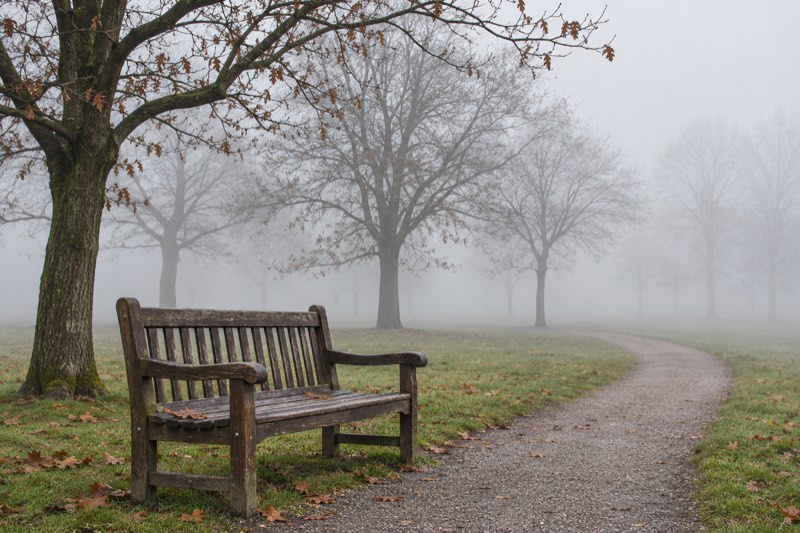
See how light changes a familiar place. Repeat your phone framing, record shadows and weather, then compare the pictures with a clear purpose.
Choose a frame you can repeat
Pick somewhere nearby that is easy to revisit: a bench, part of a building or a pot beside a window. Avoid a subject likely to disappear or be moved. Find two fixed landmarks in your first photograph, such as a corner of the backrest and a path junction. Note where they fall relative to the edges so you can reconstruct a similar view.
Record the phone height, orientation and selected zoom. You do not need pixel-perfect alignment, but a major viewpoint change makes the influence of light harder to assess. Your reference photograph can help you return to the position without marking the pavement. On the next visit, repeat this frame first; explore different compositions afterward as separate pictures.
Describe the light, not just the time
The time is a useful note, but it does not explain the scene by itself. Check which side of the bench is brighter, where its shadow falls and whether that shadow has a distinct or soft edge. Record whether the subject is in direct sun, building shade or overcast conditions. These observations describe what was actually in front of your camera.
Nikon's landscape guide discusses how light affects a scene; our exercise concentrates on your own return-visit notes. Do not assume mornings always provide soft light or midday always produces hard light. Weather, season and surrounding obstructions affect the conditions. Replace a label such as good light with a specific description: bright backrest, darker background, barely visible shadow.
Separate observation from phone processing
Two pictures may look similarly bright even when the second visit was much darker. A phone can automatically change exposure settings and image processing. Differences in color are not precise measurements of the light either: white balance, among other factors, affects them. Treat the sequence as a looking exercise, not a laboratory camera test or proof of a particular technical improvement.
Use the same device and mode where possible to make comparison easier. Do not add a filter to one picture before placing it beside the others. Note deliberate brightness adjustments or mode changes instead of leaving them unexplained. Keeping identical exposure settings throughout the day is not necessary for this exercise and may lose important image detail as conditions change.
Compare relationships within the scene
View the photographs beside each other at similar sizes. First compare subject and background: when is the bench's shape easiest to recognize? Then examine the shadows and texture. Do not judge only which file is brightest. A bright path behind the bench may demand more attention than the subject even if the overall photograph looks cheerful and pleasant.
Your intention determines the choice. Even lighting may suit a quiet image, while stronger contrast may make a geometric shadow easier to show. For each picture, write one thing the light reveals and one thing it makes harder to see. That produces a useful lesson for your next walk, rather than an unsupported conclusion that mornings are always better.
Allow for unexpected changes
A cloud can change the scene between photographs taken minutes apart. Wet pavement, new foliage or a lamp being switched on also changes the picture, and not simply because of the time. Record these circumstances. If the bench is occupied or obstructed, do not imply identical conditions: label the photograph as an additional observation rather than a direct comparison pair.
You do not have to make all the pictures on one day. Return across a week if necessary, clearly noting dates and weather. If revisiting is impractical, use a stationary object beside a window without moving it between observations. If its position changes, keep the picture but describe that change. Understanding causes matters more than forcing a perfectly matched set.
Exercise: three visits and one conclusion
Choose three convenient times to observe the same scene. On each visit, repeat the frame and record five things: date and time, weather, the brighter side of the subject, the shadow's appearance and your own setting changes. Make the reference picture first. Label any experimental framing separately so that a new composition does not get mistaken for an effect of light.
After the final visit, choose the conditions that support one specific intention and explain your decision in a sentence. Do not extrapolate a universal best hour for other places. Take your observation on your next walk with Take PRO. An ordinary notebook is enough; this exercise does not assume light forecasts, measurements or automatic photo comparisons in the app.